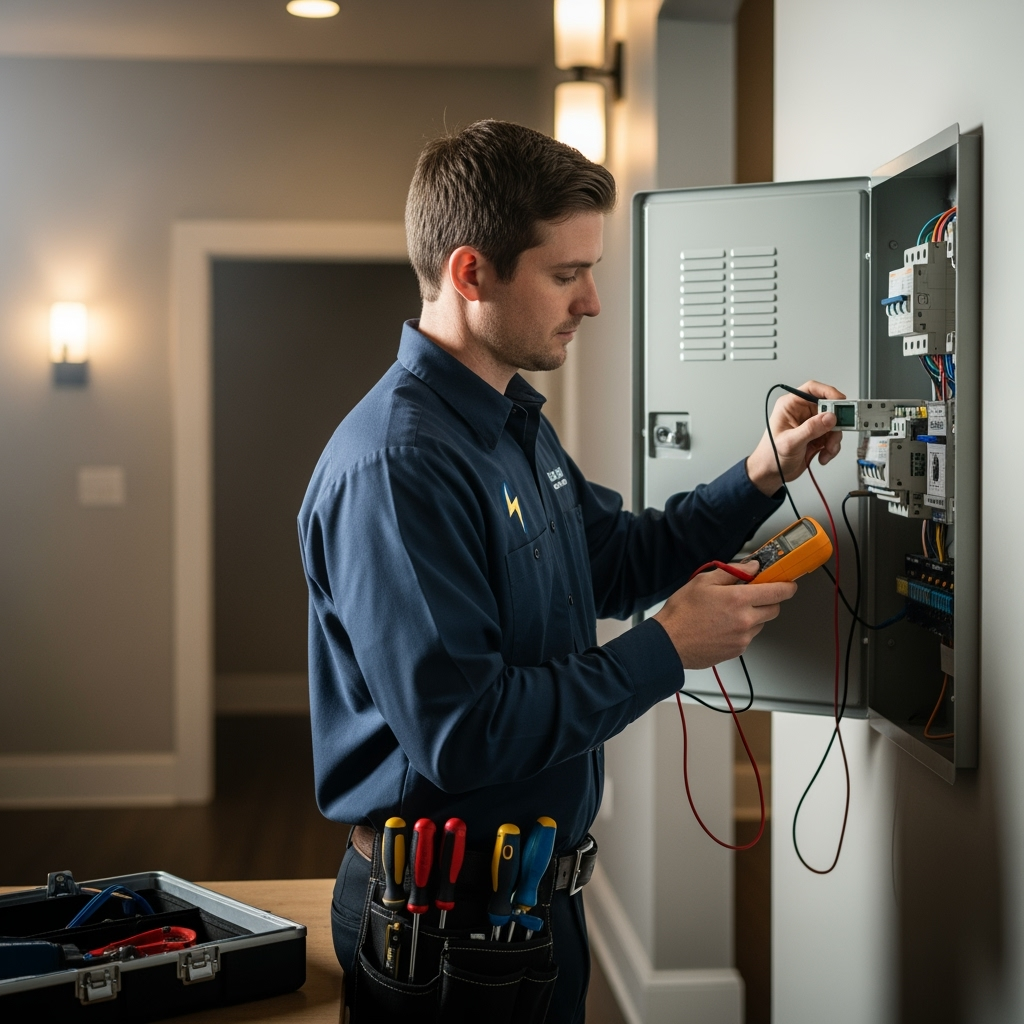
I live and work around this area, so I know that finding a reliable electrician in Bogart, GA can feel overwhelming if you’re not sure what to ask or how to spot a good pro. When I research electrical work for friends or my own home, I start with safety basics and then look at local experience. For clear, practical guidance on electrical safety and energy upgrades I often refer to the U.S. Department of Energy for big-picture standards and ideas U.S. Department of Energy.
Why a local electrician matters around Bogart
We’re tucked near Athens and Oconee County, and homes here range from newer subdivisions to older houses that still need wiring upgrades. A local electrician understands the weather patterns, common wiring types in neighborhood builds, and how to get permits in small towns. They also tend to show up faster when storms or unexpected outages hit, which is a major comfort for families and small businesses.
Local pros know area landmarks, main streets, and the quickest routes—important when you need same-day service. They’ll have experience working near University of Georgia neighborhoods, out toward Watkinsville, and around the small businesses along the main corridors that serve Bogart residents.
Popular electrical services homeowners and businesses ask for
Whether you’re updating an older home or building a new deck, electricians in this area commonly offer a set of core services. If you’re planning a project, knowing the typical services helps you ask focused questions during estimates.
- Panel upgrades and service repairs to handle modern load demands
- Whole-house and targeted lighting upgrades, including LED retrofits
- Wiring repairs, outlet and switch replacements, and code corrections
- EV charger installation, smart home device wiring, and generator hookups
Emergency response and same-day fixes
Power problems don’t respect business hours. A good local electrician offers emergency troubleshooting for issues like sudden blackouts in a single home, dangerous sparking, or appliances that trip breakers repeatedly. When I evaluate an electrician for emergency work, I look for clear response times, a transparent emergency fee structure, and documented safety procedures.
Two modern trends changing electrical work in Bogart
Electrical work is evolving fast. Two trends I see shaping choices for homeowners here are electrification for transportation and smarter, energy-efficient homes.
First, EV chargers are now a common request. Whether you plan to install a Level 2 home charger or you’re curious about future-proofing your panel, electricians who handle EV equipment can assess load capacity, recommend wiring routes, and coordinate permits. Second, smart-home integrations—like app-controlled lighting, smart breakers, and automated whole-home energy monitoring—are moving from niche to mainstream. These upgrades increase comfort and can save money on energy bills if installed with an eye toward efficiency.
How pricing usually breaks down and what affects cost
Price depends on the job’s complexity, parts needed, and whether permits or inspections are required. A simple outlet replacement is inexpensive, but a panel upgrade, an EV charger, or fixing code issues discovered during a renovation will raise the price. Labor rates vary, but I always recommend getting a clear written estimate that lists parts, labor, and any potential additional costs so you won’t be surprised.
Permits add cost and time, but they’re important. Permitted work keeps insurance intact and ensures the installation meets Georgia codes and local building rules. When in doubt, ask whether the electrician pulls permits and arranges inspections—licensed professionals typically do.
How to vet and choose a trustworthy electrician
Choosing the right electrician reduces risk and saves money down the line. I use a simple checklist when I call for quotes, and I recommend you do the same.
- Ask about licensing and insurance to protect your home and theirs.
- Request references or read local reviews to learn about punctuality and communication.
- Get a written estimate that breaks down materials and labor, and clarifies warranties.
- Confirm whether permits and inspections are included in the quote.
If a contractor hesitates to provide these basics, that’s a red flag. A reputable electrician will explain why a solution is recommended, outline alternate approaches, and give realistic timelines. Communication is as important as technical skill—especially when coordinating inspections or working around your schedule.
Concrete steps to prepare for an electrician visit
When you schedule a service call, doing a few small things can save time and reduce the cost of the visit. I follow these steps and suggest you do the same before the tech arrives.
- Clear the work area of furniture and hazards so the electrician can access panels, outlets, or fixtures quickly.
- Make a short list of symptoms (when flickering happens, what trips the breaker, etc.) to help the electrician diagnose faster.
- Note the age of the home and any recent renovations so the technician can anticipate wiring types or older panels.
Preparing this way helps the electrician give a more accurate diagnosis on the first trip and minimizes follow-up visits.
Safety tips every homeowner should know
Electrical work is inherently risky. If you see exposed wires, burning smells, or repeated breaker trips, stop using the affected circuit and call for professional help. Never attempt to fix a wiring problem unless you have proper training—incorrect repairs can cause fires or invalidate insurance.
Some basic safety precautions you can do yourself include labeling circuits, testing GFCI outlets near water sources, and replacing frayed extension cords. For anything beyond simple swaps of fixtures or bulbs, schedule a qualified electrician who will follow code and use proper protective equipment.
Local considerations: permits, inspections, and typical pain points
In smaller communities around Athens and Oconee County, permit timelines are often reasonable, but that can change during busy construction seasons or after major storms. Common pain points I hear from neighbors include outdated panels that can’t support modern appliances and DIY wiring left behind by prior owners. Both lead to frequent tripped breakers, nuisance outages, or unsafe conditions during a storm.
To avoid surprises, ask for an electrical inspection before buying a house or starting a major remodel. An inspection reveals issues that can be negotiated or fixed before they become costly emergencies.
What to expect from a professional service visit
When a qualified electrician arrives, expect a short walk-through, an explanation of the diagnosis, and a clear price for work. For larger jobs, they should provide a timeline and explain permit needs. Good pros leave the work area clean and test the installation before they leave to ensure everything works safely.
For recurring customers or property managers, many electricians offer maintenance plans that include seasonal checks, which can prevent surprises during peak weather months and extend the life of equipment like generators or panels.
Examples of common fixes and how they’re handled
Here are a few problems I’ve seen around the city and how a professional typically addresses them:
Breaker trips from an overloaded circuit often require moving heavy loads to other circuits or upgrading the panel. Flickering lights may indicate loose connections or aging wiring and should be investigated immediately. For older homes, frequent outlet failures can be solved with targeted rewiring of problem circuits and adding modern, code-compliant outlets.
When to consider an upgrade instead of repair
If you’re planning to add electric heating, an EV charger, or a major appliance, an upgrade may be smarter than repeated repairs. Upgrades improve safety, accommodate higher loads, and reduce the chance of unexpected shutdowns. Your electrician should discuss the cost-benefit—sometimes a modest panel increase avoids future headaches and keeps insurance happy.
Price transparency and warranties
A trustworthy electrician stands behind their work with a clear warranty policy on parts and labor. Ask about warranty length and whether it’s in writing. Also ask for a breakdown of material brands and part warranties if you’re buying expensive components like chargers or smart panels. Transparent pricing and a written warranty mean fewer disputes later.
How local electricians help during storms and outages
Storms are the most common time residents need an electrician. Locals expect help with downed lines to the house, surge damage to appliances, and generator switches. Professionals can install transfer switches for safe generator integration, diagnose surge-damaged circuits, and secure temporary fixes until a full repair is possible.
Final checklist before you book
Before you hire, make sure you have the basics covered: a clear estimate, confirmation of licensing and insurance, permit handling, and a reasonable timeline. I also recommend asking for a brief list of recent local jobs or references so you can hear about punctuality and clean-up firsthand.
Hiring a dependable electrician means fewer surprises, safer outcomes, and a partner you can call when new work or emergency repairs are needed.
If you want a reliable local option for electrical work in Bogart, consider contacting Thunderbolt Electric for a consultation. They have local experience and can walk you through permits, timelines, and the options that make sense for your home or business. Thunderbolt Electric